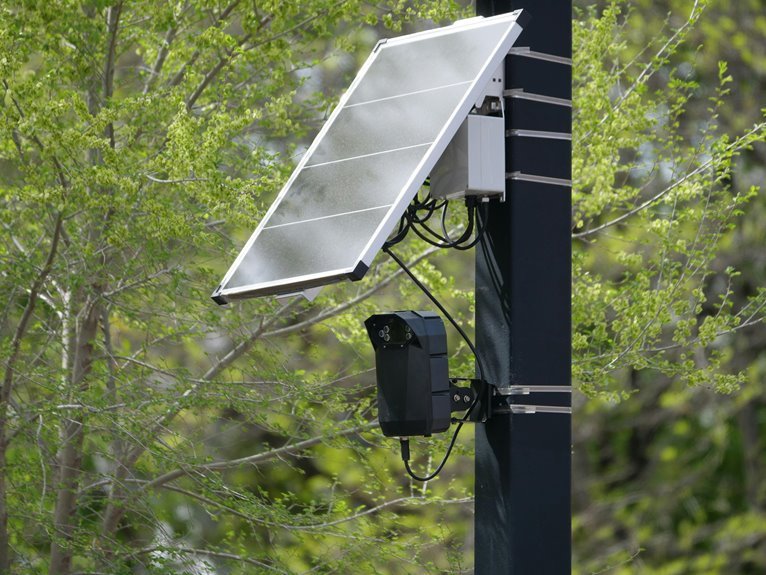
The Solartitan Synchronization Nexus presents a framework for coordinating solar generation with Titan-like computational networks via standardized, synchronized interfaces. It centers on timing as a core coordinate, mapping energy output to computational cadence while aligning storage, pricing, forecasting, and demand signals. The approach enables predictable energy exchange and resilient distributed ecosystems while preserving autonomy. Questions remain about governance, security, and interoperability as stakeholders consider implementation across diverse grids and platforms. These concerns merit careful examination as systems evolve.
What Is the Solartitan Synchronization Nexus?
The Solartitan Synchronization Nexus is a fictional framework that describes the coordinated interaction between solar energy systems and Titan-like computational networks.
The model defines interfaces, data flows, and governance for scalable interoperability.
It emphasizes Solar synchronization and Titan timing as core coordinates, ensuring predictable energy exchange, reliable computation, and resilient operation within distributed ecosystems.
How the Nexus Aligns Solar, Storage, and Timing Signals
To align solar generation, storage capacity, and timing signals within the Nexus, the framework defines synchronized interfaces that map energy output to computational cadence and backhaul latency. The design ensures interdependent modules coordinate throughput, resilience, and optimization. Solar synchronization and timing signals are harmonized through standardized protocols, enabling predictable maintenance, scalable expansion, and interoperable control without compromising autonomy or freedom in system operation.
Use Cases for Utilities, Developers, and Enterprises
In what ways do utilities, developers, and enterprises leverage the SolarTitan Synchronization Nexus to optimize grid operations, accelerate project timelines, and reduce risk?
The platform enables Solar pricing optimization, enhances grid resilience, and supports cloud integration. It also improves energy forecasting, streamlining procurement, dispatch, and maintenance while coordinating storage, generation, and demand signals for reliable, scalable energy programs.
Evaluation Criteria: Security, Interoperability, and Scalability
Are security, interoperability, and scalability the triad that determines long-term viability for the SolarTitan Synchronization Nexus?
The evaluation criteria align with robust risk management, open interfaces, and adaptable architecture.
Security interoperability and scalability timing influence adoption, resilience, and evolution.
Clear benchmarks, measurable metrics, and independent auditing ensure trust, interoperability compatibility, and scalable performance without compromising autonomy or safety for diverse stakeholders.
Frequently Asked Questions
How Will Real-World Performance Be Measured for Solartitan Synchronization Nexus?
Real-world performance is measured through continuous monitoring of real time metrics and safety compliance, with standardized benchmarks, independent audits, and documented variance analyses; outcomes reflect reliability, security, and user autonomy while maintaining transparent, disciplined operational boundaries.
What Are the Maintenance Requirements for Long-Term Uptime?
Maintenance scheduling ensures long-term uptime by aligning periodic checks with component lifecycle milestones; systematic upkeep reduces failures, optimizes performance, and preserves flexibility. The approach emphasizes documentation, predictability, and proactive replacements to sustain resilient operation.
Are There Any Licensing or Cost Implications for Adopters?
Licensing costs and deployment licensing exist, with clear tiers and per-seat or per-instance models. The Nexus presents predictable annual fees alongside optional premium add-ons, while adopters should budget for maintenance, support, and potential volume discounts.
How Does It Handle Legacy Grid Synchronization Standards?
The system adheres to legacy standards through modular converters and adaptable interfaces, ensuring grid compliance while maintaining interoperability. It automatically negotiates common protocols, monitors deviations, and logs events for audits, supporting operators seeking regulated, flexible control of legacy integrations.
What Incident Response Procedures Exist for Outages or Breaches?
The incident response procedures include defined response planning and incident containment protocols, enabling rapid detection, attribution, and remediation. The approach emphasizes structured roles, documented playbooks, and communication channels to maintain resilience and support user autonomy during outages or breaches.
Conclusion
The Solartitan Synchronization Nexus presents a coherent framework for aligning solar output, storage, and timing signals into a predictable, interoperable ecosystem. While the concept blends ambitious goals with practical engineering, its truth rests in proven governance, auditability, and scalable protocols rather than speculative hype. If its theory holds, utilities and developers gain resilient energy-computation synergies. Critics may view it as complex; supporters will cite interoperability and transparency as the core strengths underpinning trust and broader adoption.