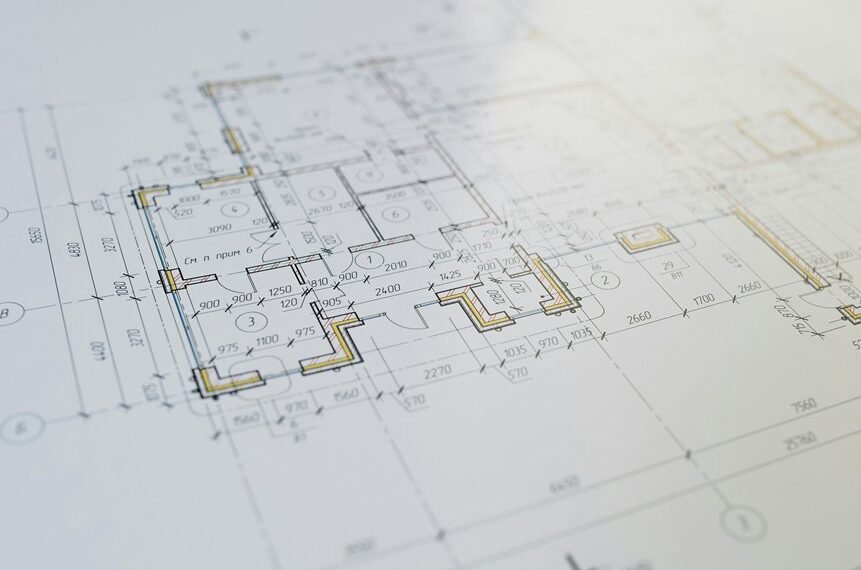
The HelioPrime Synchronization Grid presents a framework for harmonizing timing across diverse observatories and platforms. It emphasizes precise clocks, secure channels, and verifiable provenance. The approach combines redundancy with governance to sustain low-latency data flows. Interoperability and privacy-by-design are central, shaping security and regulatory alignment across jurisdictions. The result is a measurable, scalable system whose implications extend beyond theory, inviting scrutiny of how coordination shapes operational resilience and decision-making in complex networks.
What Is the HelioPrime Synchronization Grid?
The HelioPrime Synchronization Grid is a structured framework designed to coordinate temporal and celestial cycles across multiple observational platforms.
It operationalizes interfaces for synchronized events, aligning clocks, sensors, and telemetry.
The system emphasizes precise timing and redundancy, supporting resilient data streams.
Its architecture addresses infrastructure security, safeguarding protocols, keys, and access controls while enabling verifiable, decentralized coordination for independent observatories.
How Precise Timing Drives Complex Infrastructures
Precise timing acts as the backbone of modern complex infrastructures, enabling synchronized operations across distributed sensors, clocks, and control systems.
The analysis focuses on how precision timing coordinates events, reduces ambiguity, and supports scalable networks.
It evaluates synchronization protocols, measures latency optimization, and links timing discipline to grid reliability, ensuring resilient, autonomous decision-making without human intervention.
Security, Privacy, and Interoperability in Practice
Security, privacy, and interoperability present practical constraints that shape the deployment of HelioPrime’s synchronization grid.
The analysis examines precision timing controls, data sovereignty considerations, and cross-border standards, assessing how policy, architecture, and governance align with technical interoperability.
A disciplined approach reveals trade-offs between security assurances and operational flexibility, guiding disciplined, transparent implementation without compromising freedom through opaque concessions.
Real-World Impacts: Use Cases Across Industries
What concrete advantages does HelioPrime’s synchronization grid offer across sectors, and how do these benefits translate into measurable outcomes? The system enables synchronized data streams, reduced latency, and resilient operations, enhancing decision speed and reliability. Across healthcare, logistics, and energy, privacy by design and interoperable protocols safeguard data while accelerating deployments, supporting market adoption and traceable performance benchmarks. measurable outcomes remain transparent and scalable.
Frequently Asked Questions
How Scalable Is the Helioprime Grid for Future Expansions?
The scalability is robust for anticipated growth, supported by a defined scalability roadmap and disciplined expansion planning. The architecture accommodates modular upgrades, enabling steady capacity increases while maintaining performance, reliability, and interoperability without compromising operational freedoms.
What Is the Maintenance Lifecycle for Synchronization Nodes?
Maintenance milestones define lifecycle cadence for synchronization nodes, detailing preventive tear-downs and upgrades. The model emphasizes node redundancy, data replication integrity, and fault isolation, ensuring uninterrupted operation while preserving freedom to adapt against systemic failures.
Can the System Operate in Low-Resource or Remote Environments?
The system can operate in low resource, remote environments, given scalable expansions and robust maintenance lifecycle planning. Data integrity persists across distributed nodes; failure recovery and disaster protocols ensure resilience, enabling continued operation despite constraints while preserving performance and operational freedom.
How Is Data Integrity Verified Across Distributed Nodes?
Data integrity is ensured through distributed consensus, cryptographic hashing, and frequent cross-node validation. Like a compass, it guides scalability, future expansions, and maintenance lifecycle, preserving synchronization nodes, low resource operation, and remote environments, with robust failure recovery and disaster protocols.
What Are Failure Recovery and Disaster Protocols?
Disaster recovery protocols encompass fault containment, data restoration, and service resumption, with predefined recovery timelines and responsibilities. The system conducts disaster drills to validate procedures, exposing gaps and guiding iterative improvements for resilient, autonomous operation.
Conclusion
The HelioPrime Synchronization Grid demonstrates precision as backbone, reliability as standard, and governance as guardrail. Precision enables synchronized observations, coordinated workflows, and verifiable timestamps; reliability ensures continuous data streams, fault tolerance, and resilient operations; governance guarantees transparency, compliance, and interoperable interfaces. Across platforms, clocks align, sensors harmonize, and telemetry converges. Across sectors, teams plan, execute, and audit; across environments, systems adapt, scale, and improve; across disciplines, outcomes advance, trust grows, and anticipation informs decisions.