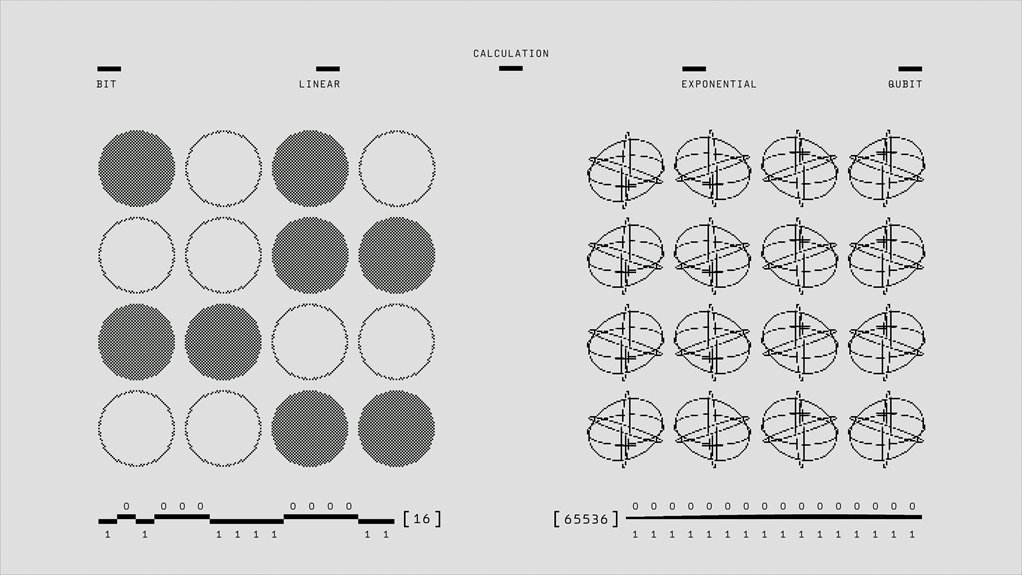
The EchoTitan Operational Grid presents a coordinated hardware-software-communications framework for real-time monitoring, control, and optimization across generation, transmission, and distribution. Its 18.84×18.84 topology supports localized fault isolation while preserving global operability through a dense lattice. Integrated ML, edge analytics, and secure interconnections enable rapid decisions and resilient operation. The framework emphasizes standards-driven testing and cost-benefit validation, yet its full implications for scale and interoperability remain to be explored.
What Is the EchoTitan Operational Grid and Why It Matters
The EchoTitan Operational Grid is a coordinated framework of hardware, software, and communications protocols that manages the real-time monitoring, control, and optimization of EchoTitan’s power and data flows.
It ensures systematic observability, resilient fault handling, and secure interconnections.
EchoTitan grid integrates sensors and actuators, supporting operational resilience, scalable decision-making, and autonomous response to perturbations, while preserving user autonomy and freedom.
How 18.84×18.84 Topology Enables Scalable Resilience
A 18.84×18.84 topology enables scalable resilience by providing a highly interconnected lattice that localizes perturbations while preserving global operability.
The grid topology supports rapid isolation of faults and rerouting without systemic collapse, enabling sustained service.
This arrangement enhances fault tolerance, enables proactive maintenance, and preserves efficiency across scales, aligning operational transparency with resilience objectives in dynamic demand environments.
Integrating ML, Edge Computing, and Security for Real-Time Decisions
Integrating ML, edge computing, and security enables real-time decision-making across the grid by distributing analytics closer to data sources, reducing latency, and enhancing situational awareness.
The approach emphasizes lifecycle governance to manage model versions, updates, and retirements, ensuring compliance and traceability.
Anomaly detection across distributed nodes provides rapid threat sensing, preserving resilience while maintaining autonomous, authoritatively controlled operations.
Practical Use Cases and How to Evaluate It for Your Network
By applying prior advances in machine learning, edge computing, and security to practical environments, operators can map concrete use cases across generation, transmission, and distribution layers and establish objective evaluation criteria.
Practical use cases enable targeted deployment, enabling concept validation and risk assessment.
Standards-driven testing validates performance, resilience, and interoperability, while cost-benefit analysis guides prioritization, ensuring scalable, transparent improvements across the grid without compromising autonomy and freedom in operations.
Frequently Asked Questions
How Does Echotitan Handle Data Sovereignty Across Regions?
Data sovereignty is ensured via automated regional governance controls, data localization options, and auditable access trails. Echotitan enforces jurisdiction-specific policies, enforcing compliant data handling across regions to preserve sovereignty while enabling global interoperability and secure cross-border collaboration.
What Are the Licensing and Cost Implications?
Licensing models dictate capacity-based and subscription tiers, balancing deployment costs against scalability. The model corresponds to usage patterns, with perpetual options for long-term sites; licensing complexity influences total cost, ensuring freedom by selecting modular deployments aligned to needs.
Can It Integrate With Legacy Telecom Equipment?
The system supports integration compatibility with selected legacy interfacing protocols, enabling phased adoption. It evaluates legacy interfacing, identifies resource gaps, and documents retrofit requirements; however, full interoperability depends on middleware, firmware updates, and vendor-supplied adapters.
What Is the Typical Deployment Timeline?
Deployment timelines vary by scope, typically spanning several weeks to months depending on scale and regulatory approvals. The system emphasizes data sovereignty, ensuring compliance while outlining phased milestones and robust risk mitigation throughout deployment timelines.
How Is Failure Recovery Demonstrated in Audits?
Failure recovery is demonstrated through formal audit remediation evidence and risk assessment results, showing remediation timelines, tested controls, and residual risk reduction; audits verify effectiveness via independent testing, remediation tracking, and documented remediation closure criteria for continuous improvement.
Conclusion
The EchoTitan Operational Grid embodies scalable resilience through a unified, 18.84×18.84 lattice, delivering real-time visibility, rapid fault isolation, and coordinated control. It integrates ML-driven analytics, edge processing, and secure interconnections to sustain global operability amid perturbations. It enables autonomous decision-making, resilient optimization, and validated, standards-aligned testing. It emphasizes risk-aware deployment, cost-benefit validation, and interoperability. It supports generation, transmission, and distribution with diagnostic precision, adaptive automation, and transparent governance. It is precise, authoritative, and technically rigorous.