The distinction between Artificial Intelligence and Machine Learning is fundamental yet often misunderstood. While AI encapsulates the entire spectrum of machines mimicking human intelligence, Machine Learning zeroes in on the algorithms that enable systems to learn from data. This nuanced difference has significant implications for technology’s evolution and its application in various sectors. Understanding these concepts is essential, as the interplay between them shapes the future of innovation and problem-solving. What complexities lie beneath this relationship?
Understanding Artificial Intelligence
Although the terms “artificial intelligence” (AI) and “machine learning” are often used interchangeably, they represent distinct concepts within the realm of computer science.
AI encompasses a broader spectrum, including capabilities and limitations inherent in simulating human cognition.
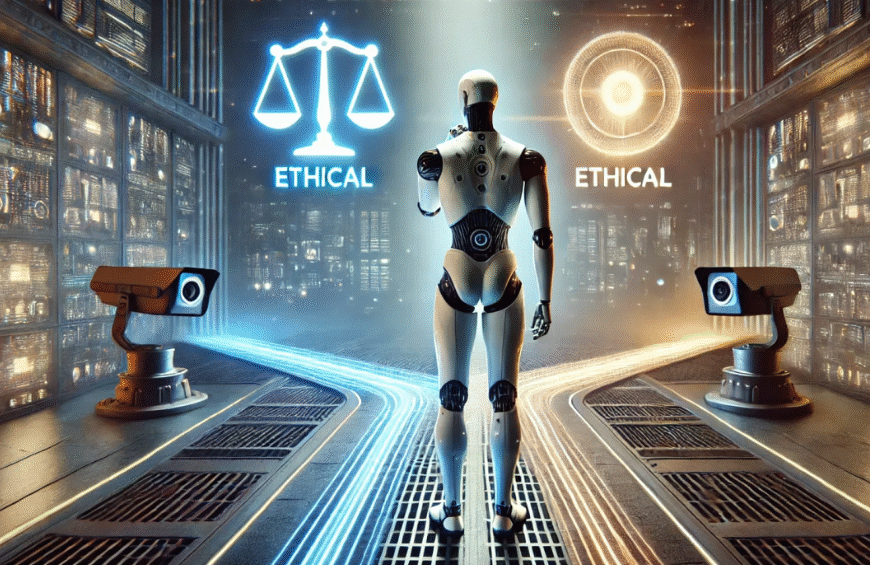
As AI evolves, ethical considerations become paramount, necessitating a balance between innovation and responsibility to ensure that advancements benefit humanity without compromising ethical standards.
See also: AI Ethics: Can Machines Be Moral?
Exploring Machine Learning
Machine learning serves as a subset of artificial intelligence, specifically focused on the development of algorithms and statistical models that enable computers to improve their performance on tasks through experience.
Essential to this process are data preprocessing techniques, which ensure data quality and relevance.
Additionally, supervised learning methods guide models using labeled datasets, enhancing predictive accuracy and fostering robust learning frameworks.
Key Differences Between AI and Machine Learning
Artificial intelligence (AI) and machine learning (ML) represent distinct yet interrelated domains within the broader field of computational intelligence.
AI encompasses the overall capability of machines to perform tasks requiring human-like intelligence, while ML focuses on algorithms that improve through experience.
Within ML, supervised learning and deep learning are methodologies that enhance predictive accuracy, distinguishing these two critical areas of technological advancement.
Real-World Applications of AI and Machine Learning
As industries increasingly integrate advanced technologies, the real-world applications of AI and machine learning demonstrate transformative potential across various sectors.
Predictive analytics enhances decision-making in finance and healthcare, while autonomous systems revolutionize transportation and manufacturing.
These innovations not only increase efficiency but also empower individuals and organizations to harness data-driven insights, fostering a new era of freedom in technological advancement.
Conclusion
In conclusion, distinguishing between artificial intelligence and machine learning is essential for comprehending their functionalities and implications. As industries increasingly adopt these technologies, consider that by 2025, the global AI market is projected to reach a staggering $190 billion. This immense growth underscores the transformative potential of these technologies, driving innovation across sectors and reshaping how we interact with the world. Understanding their nuances not only informs strategic decisions but also enhances the potential for groundbreaking advancements.