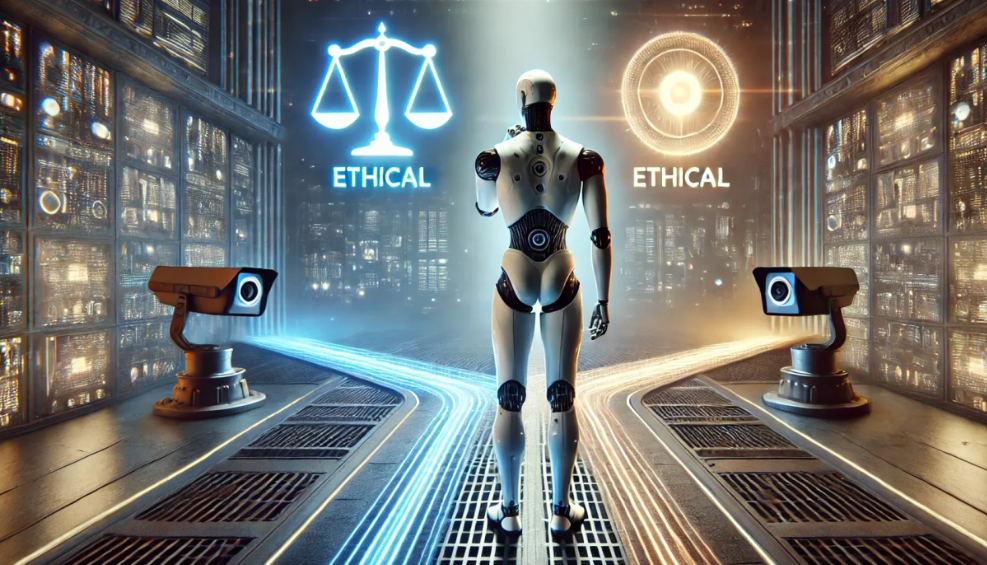
The intersection of artificial intelligence and morality presents a complex dilemma. As machines increasingly make decisions that affect human lives, the question arises: can these systems embody ethical principles? Challenges abound in programming morality into algorithms, given the diversity of human values and the risk of bias. This raises critical concerns about accountability and the role of creators. Understanding these dynamics is essential to navigate the future of AI ethics and its implications.
The Challenges of Programming Morality Into AI
While the integration of ethical frameworks into artificial intelligence presents significant potential for enhancing decision-making processes, it also poses considerable challenges.
One major issue is algorithmic bias, which can arise from flawed data or subjective programming choices.
Establishing universally accepted ethical frameworks is complex, as diverse societal values may conflict, complicating the programming of morality into AI systems and limiting their effectiveness in promoting fairness.
The Consequences of AI Decision-Making
The complexities involved in programming morality into AI systems can lead to significant consequences when these systems make decisions.
Algorithmic bias may result in unfair outcomes, exacerbating societal inequalities.
Moreover, the ethical implications of these decisions extend beyond individual cases, influencing public trust and the societal fabric.
As AI systems increasingly govern critical areas, understanding these consequences becomes paramount for responsible deployment and governance.
Philosophical Perspectives on Machine Morality
As artificial intelligence systems become more integrated into decision-making processes, the question of machine morality necessitates a deeper exploration of philosophical perspectives.
The concept of machine consciousness raises critical inquiries into which ethical frameworks should govern AI actions. Philosophers debate whether machines can possess moral agency or if they merely simulate morality, ultimately highlighting the complexities of assigning ethical responsibility in an increasingly automated world.
Trusting Machines: A Human Projection of Values
Trust in machines increasingly reflects human values, as individuals project their own ethical beliefs onto artificial intelligence systems.
This phenomenon raises concerns about machine bias, where algorithms may inadvertently perpetuate societal prejudices.
As AI systems become integrated into daily life, understanding the interplay between human values and technology is crucial, ensuring that ethical frameworks guide development and mitigate the risks associated with biased outcomes.
Conclusion
In a world increasingly reliant on algorithms for moral guidance, humanity faces the paradox of entrusting ethical decisions to machines devoid of genuine understanding. Ironically, as society strives to embed complex moral frameworks into AI, it may inadvertently amplify the biases and values of its creators, presenting a façade of morality rather than true ethical reasoning. Ultimately, the quest for machine morality reveals not only the limitations of technology but also the intricacies of human values that remain unprogrammed.